What the Problem Is
In a typical medical practice, the patient visit involves multiple teams: front desk, nurses, providers, and billing staff. Each team has its own set of tasks and data, which can lead to fragmented information and miscommunication. For example, the front desk may have the patient’s insurance details, the nurse may have the vitals and medication list, and the provider may have the clinical notes. Without a shared encounter record, these data points are siloed, increasing the risk of errors and inefficiencies.
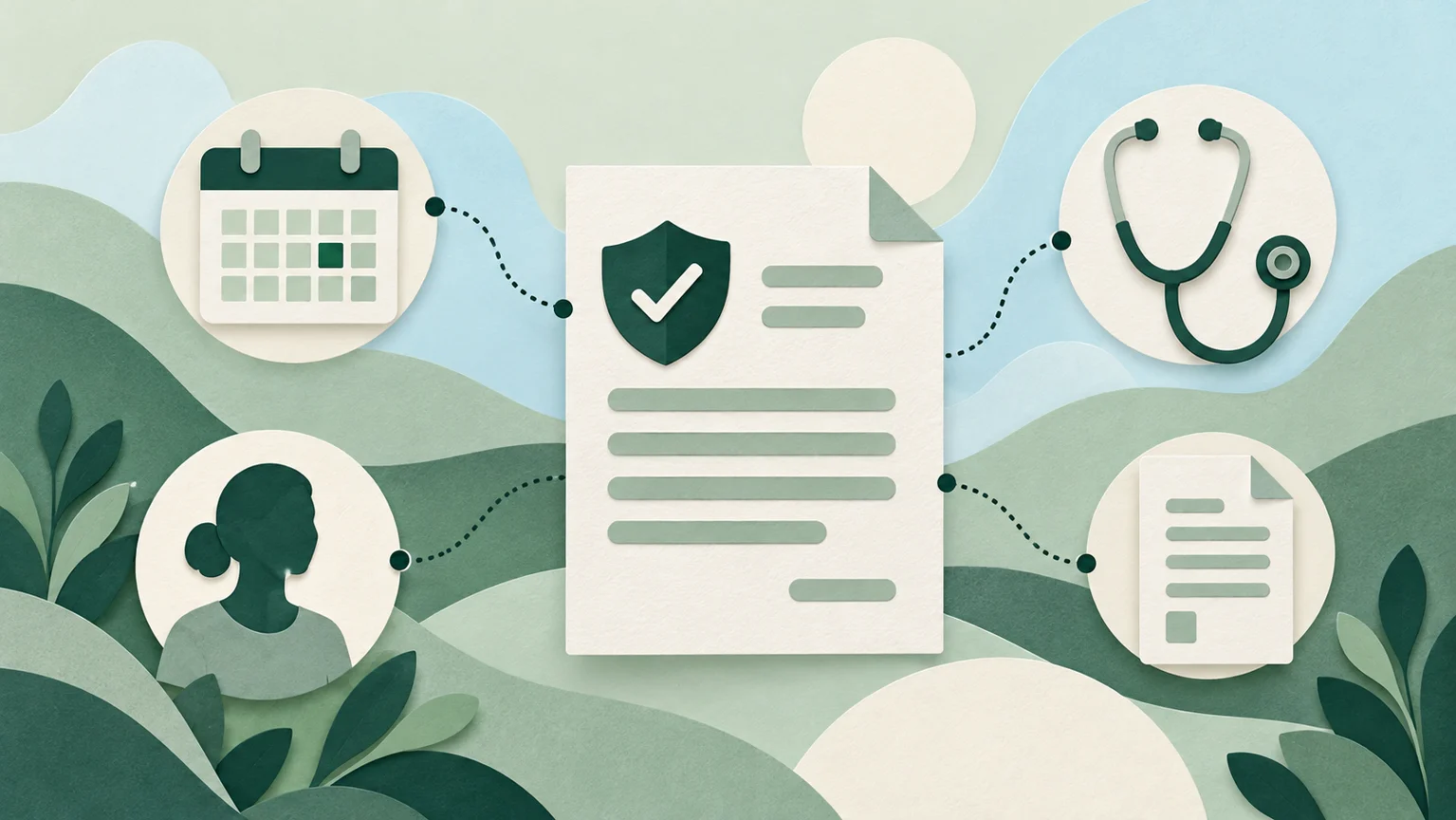
A shared encounter record ensures that all relevant information is accessible to every team member involved in the patient’s care. This includes demographics, insurance, vitals, medications, and clinical notes. It also helps in tracking the status of tasks such as lab orders, referrals, and follow-up appointments. The absence of such a record can lead to redundant data entry, missed follow-ups, and inconsistent care.
Why Handoffs Break Down
Handoffs between teams are a critical part of the patient visit, but they often break down due to incomplete or inconsistent information. For instance, when a nurse hands off a patient to a provider, the provider may not have the latest vitals or medication list. Similarly, when a provider hands off a patient to billing, the billing team may not have the necessary documentation to process the claim.
This breakdown can occur for several reasons. First, teams may not have access to the same data, leading to duplication of effort. Second, the lack of a centralized record can result in important information being lost or miscommunicated. Third, the absence of a standardized format for sharing information can lead to confusion and errors.
A Step-by-Step Workflow
To ensure a smooth handoff and maintain a shared encounter record, the following workflow can be implemented:
1. **Front Desk**: Verify patient demographics, insurance, and appointment details. Update the patient’s information in the shared encounter record.
2. **Nurse**: Collect vitals, medication list, and allergies. Document these in the shared encounter record and flag any abnormalities for the provider.
3. **Provider**: Review the shared encounter record to understand the patient’s history and current status. Document clinical findings, orders, and care plans in the shared record.
4. **Billing**: Access the shared encounter record to verify the completeness of the documentation and ensure all necessary information is included for claim processing.
Each team should update the shared encounter record as they complete their tasks. This ensures that all team members have access to the most up-to-date information, reducing the risk of errors and improving the overall patient experience.
How TeyaHealth Helps
TeyaHealth provides a platform that supports the creation and maintenance of a shared encounter record through its role-based agents and integrated tools. The Patient agent can collect and update patient information, while the Front Desk agent can verify insurance and update appointment details. The Nurse agent can document vitals and medication lists, and the Provider agent can review and update clinical notes.
The shared encounter state feature allows all team members to access the same information in real-time. This ensures that each team member is working with the most up-to-date data, reducing the risk of errors and improving the efficiency of the patient visit. The platform also includes audit trails, which help in tracking changes and ensuring accountability.
A Hypothetical Practice Example
Consider a primary care practice where a patient arrives for a routine check-up. The front desk verifies the patient’s insurance and updates the shared encounter record with the appointment details. The nurse collects the patient’s vitals and medication list, documenting these in the shared record. The provider reviews the shared encounter record to understand the patient’s history and current status, then documents the clinical findings and care plan. The billing team accesses the shared record to ensure all necessary information is included for claim processing. This workflow ensures that all team members have access to the same information, reducing the risk of errors and improving the patient experience.
Implementation Checklist
Before implementing a shared encounter record system, the following checklist should be considered:
- Ensure that all team members understand the importance of a shared encounter record.
- Define roles and responsibilities for updating the shared record.
- Train all team members on how to use the shared encounter record system.
- Establish a process for updating and reviewing the shared record.
- Monitor the effectiveness of the shared encounter record system and make adjustments as needed.
What the Team Should Measure
To evaluate the effectiveness of the shared encounter record system, the following metrics can be used:
- Time spent on data entry and handoffs.
- Number of errors or omissions in the shared record.
- Patient satisfaction scores related to care coordination.
- Efficiency of billing and documentation processes.
By measuring these metrics, the practice can identify areas for improvement and ensure that the shared encounter record system is working as intended.
Next Steps
To implement a shared encounter record system, the practice should start by defining the roles and responsibilities of each team member. Next, train all team members on how to use the shared encounter record system. Finally, establish a process for updating and reviewing the shared record. By following these steps, the practice can improve communication, reduce errors, and enhance the overall patient experience.

No published comments yet. Start the conversation.