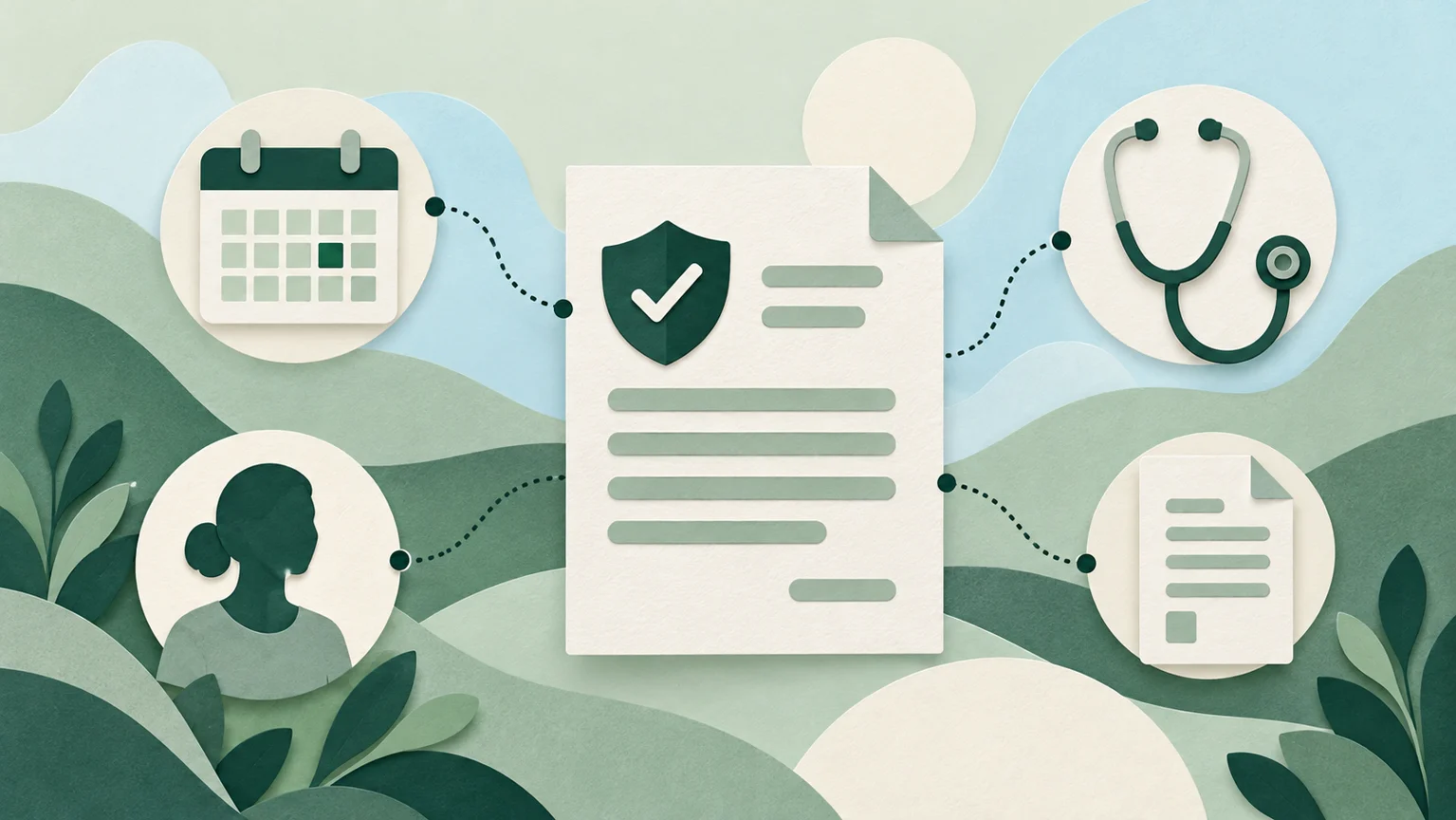
The Problem: Disconnected Patient Reminders
In many medical practices, patient reminders are siloed across different systems and teams. Scheduling, preparation and follow-up are often handled by separate departments or individuals, leading to fragmented communication. This can result in missed appointments, incomplete patient preparation and poor follow-up. Patients may not receive reminders about pre-appointment instructions, or they may not be informed about next steps after a visit. This disconnect can lead to inefficiencies, increased no-shows and reduced patient satisfaction.
The root cause of this problem lies in the lack of a centralized system for managing patient reminders. Each team—front desk, clinical staff, billing and providers—often uses different tools or processes, which can lead to missed handoffs and inconsistent communication. For example, the front desk may schedule an appointment without informing the nurse about the patient’s specific needs, or the provider may not receive the necessary information to prepare for the visit. This lack of coordination can lead to delays, errors and a poor patient experience.
Why Handoffs Break Down
Handoffs between scheduling, clinical and administrative teams often lack clear communication. For example, the front desk may schedule an appointment without informing the nurse about the patient’s specific needs, or the provider may not receive the necessary information to prepare for the visit. This lack of coordination can lead to delays, errors and a poor patient experience. Additionally, without a centralized system for tracking reminders, important information can be lost or overlooked.
The breakdown in handoffs is often due to the absence of a unified platform that allows all teams to access and update patient information in real time. When each team operates in isolation, the risk of miscommunication increases. For instance, if the front desk schedules an appointment but does not update the nurse about the patient’s insurance status or allergies, the nurse may not be prepared for the visit. Similarly, if the provider does not receive the patient’s pre-visit instructions, they may not be able to provide the best care during the appointment.
Step-by-Step Workflow for Patient Reminders
1. **Scheduling**: The front desk schedules the appointment and records the patient’s insurance, allergies and any specific instructions. The patient is sent a reminder via email or text.
2. **Preparation**: The nurse reviews the patient’s information and prepares for the visit. The patient receives a reminder about what to bring and any pre-visit instructions.
3. **Follow-Up**: After the visit, the provider sends a follow-up message to the patient about next steps, and the billing team ensures that any necessary documentation is ready for submission.
Each step should include clear communication between teams and a centralized system for tracking reminders and patient information. For example, the front desk should ensure that all relevant patient information is shared with the nurse before the appointment. The nurse should then send a reminder to the patient about what to bring and any pre-visit instructions. After the visit, the provider should send a follow-up message to the patient about next steps, and the billing team should ensure that any necessary documentation is ready for submission.
How TeyaHealth Helps
TeyaHealth provides tools that support the entire patient reminder workflow. The Patient agent can send reminders about appointments, pre-visit instructions and follow-up steps. The FrontDesk agent can verify insurance and send reminders about upcoming visits. The Nurse agent can prepare for the visit and send reminders about what to bring. The Provider agent can send follow-up messages and ensure that any necessary documentation is ready for submission. The Billing agent can ensure that any necessary documentation is ready for submission. These agents work together to ensure that patient reminders are consistent and timely.
TeyaHealth’s platform allows for seamless integration between different teams and systems. For example, the FrontDesk agent can verify insurance and send reminders about upcoming visits, while the Patient agent can send reminders about pre-visit instructions and follow-up steps. The Nurse agent can prepare for the visit and send reminders about what to bring, and the Provider agent can send follow-up messages and ensure that any necessary documentation is ready for submission. This integration ensures that all teams have access to the same patient information, reducing the risk of miscommunication and errors.
Hypothetical Practice Example
A patient named Sarah is scheduled for a follow-up visit after a recent procedure. The front desk schedules the appointment and sends a reminder to Sarah about the date and time. The nurse reviews Sarah’s information and sends a reminder about what to bring to the appointment. The provider sends a follow-up message to Sarah about next steps and any necessary documentation. The billing team ensures that any necessary documentation is ready for submission. This coordinated approach ensures that Sarah is well-prepared for her visit and receives timely follow-up.
In this example, the front desk uses the FrontDesk agent to schedule the appointment and send a reminder. The nurse uses the Nurse agent to prepare for the visit and send a reminder about what to bring. The provider uses the Provider agent to send a follow-up message and ensure that any necessary documentation is ready for submission. The billing team uses the Billing agent to ensure that any necessary documentation is ready for submission. This coordinated approach ensures that all teams are working together to provide the best possible care for the patient.
Implementation Checklist
- Define the roles and responsibilities for each team in the patient reminder workflow.
- Set up a centralized system for tracking reminders and patient information.
- Train staff on how to use the tools provided by TeyaHealth.
- Ensure that all team members are aware of the patient reminder process.
- Monitor the effectiveness of the patient reminder system.
This checklist ensures that all teams are aligned and that the patient reminder process is efficient and effective. It also helps to identify any gaps in the workflow and provides a framework for continuous improvement.
What the Team Should Measure
- The number of missed appointments.
- The number of patients who receive reminders about pre-visit instructions.
- The number of patients who receive follow-up messages after a visit.
- The number of patients who are well-prepared for their visits.
Measuring these metrics helps to identify areas for improvement and ensures that the patient reminder system is working effectively. It also provides valuable insights into the patient experience and helps to identify any issues that may need to be addressed.
Next Steps
- Review the patient reminder workflow and identify any gaps.
- Set up a centralized system for tracking reminders and patient information.
- Train staff on how to use the tools provided by TeyaHealth.
- Monitor the effectiveness of the patient reminder system and make adjustments as needed.
By following these steps, practices can ensure that their patient reminder system is efficient, effective and aligned with their overall goals. This helps to improve patient satisfaction, reduce no-shows and ensure that all teams are working together to provide the best possible care for patients.

No published comments yet. Start the conversation.